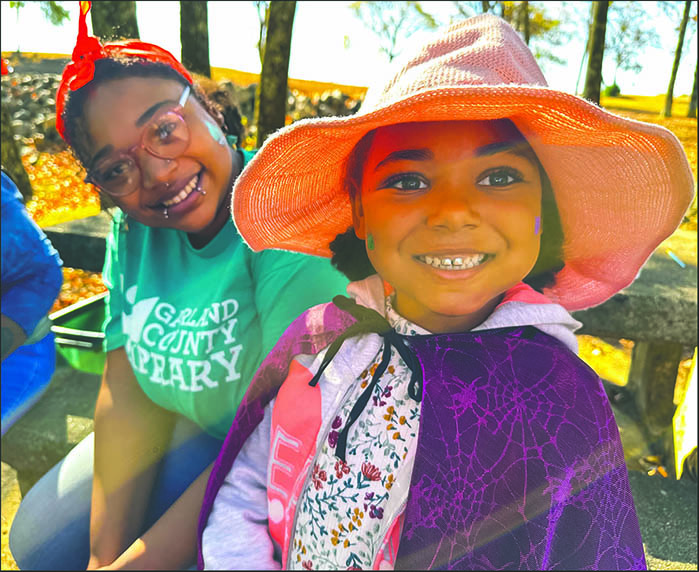


Build new social connections by engaging in local events – like the St. Pat’s Day Zero K, volunteering, or connecting with friends or coworkers.
By Alison Crane
Healthy aging and social wellness go hand in hand. Aging is inevitable, but aging well is a balance of our genetics and the choices we make. A full social life could help slow biological aging, according to recent studies. Our sense of connection and belonging, with a well-developed support system, determines our level of social wellness.
Jeremy Nobel, Instructor for Health Policy and Management at the Harvard T.H. Chan School of Public Health, suggests we should give social connections the same level of priority we give to sleep, diet, and exercise. Loneliness has a strong impact on our physical health. We can think of it as a biological signal, much like thirst tells us the body needs water — a built-in indicator of a physical need.
Being isolated has health risks comparable to the risks associated with obesity, high blood pressure, and smoking. Developing healthy relationships and social connections improves physical health and reduces mental health challenges. To reduce isolation and loneliness, start by strengthening current relationships and developing new connections.
July is Global Social Wellness Month, and people everywhere are encouraged to deepen existing relationships, prioritize community engagement, and build new social connections. Even if you feel your level of social wellness is good, why not take time to evaluate your social wellness and actively include activities that will nurture your relationships?
Try these actionable activities to improve your social wellness.
- Start by identifying how you best connect with others to strengthen your current relationships.
- Join a community organization or a hobby-based club
- Participate in local events or volunteer to organize a neighborhood potluck or get-together.
- Schedule quality time with loved ones or reconnect with old friends or coworkers.
- Set boundaries according to your limits to maintain healthy socialization without burnout.
The Garland County Extension Service offers educational programs and community groups that provide many ways to improve your social wellness and physical health. Call 501-623-6841 or email
acrane@uada.edu for more information and to participate in community service through the Garland County EHC, Master Gardeners, and/or 4-H.
Alison Crane is a Family and Consumer Sciences Agent with the Garland County Extension Service. Pursuant to 7 CFR § 15.3, the University of Arkansas System Division of Agriculture offers all its Extension and Research programs and services (including employment) without regard to race, color, sex, national origin, religion, age, disability, marital or veteran status, genetic information, sexual preference, pregnancy, or any other legally protected status, and is an equal opportunity institution.