
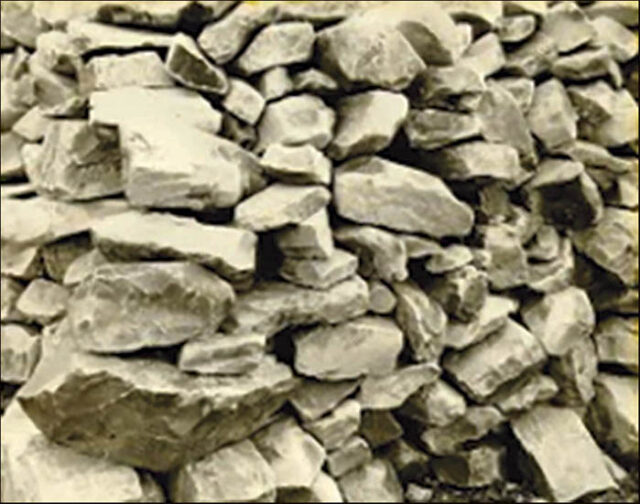
Partially worked novaculite HSNP.

Ellie Schafer at the Lake.
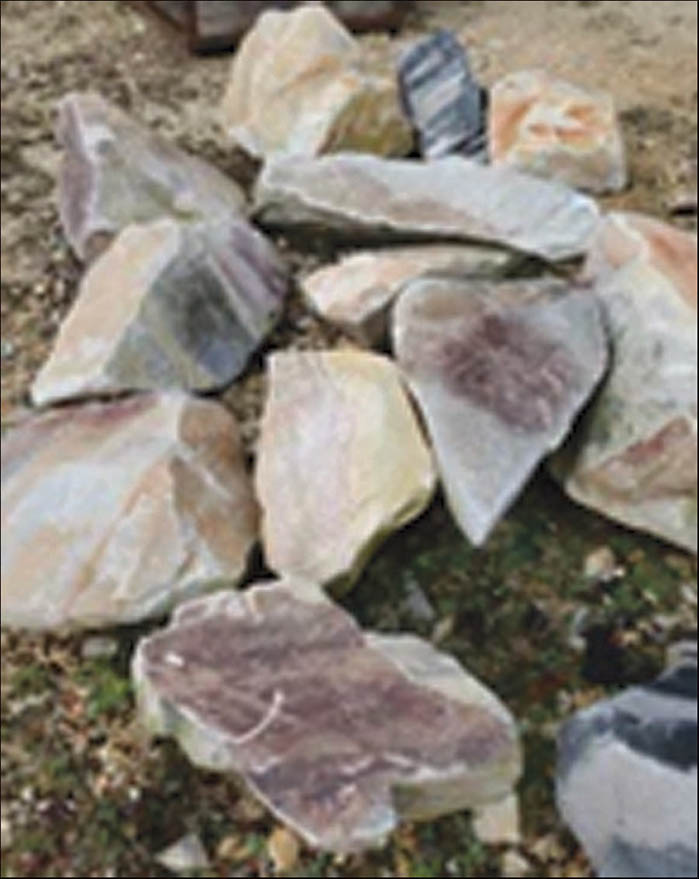
Partially worked novaculite HSNP.
The Garland County Historical Society (in association with the Garland County Library) will host Ellie Schafer presenting “Everything You Didn’t Need to Know About Novaculite!” at noon, Tuesday, April 21, at the Garland County Library.
People can attend in person or view the program virtually at Facebook: GarlandCountyLibrary or youtube.com/garlandcolibrary.
Novaculite is an integral part of the physical landscape of the Ouachita Mountains, but few people know much about its impact on the cultural landscape. In this program, Ellie Schafer will discuss novaculite knapping, “Washita” whetstones, and the geologic history of this razor-sharp rock.
The presentation will cover the history of novaculite and its use by humans from pre-contact knapping to modern whetstone companies. It includes information on how pre-contact Native Americans harvested and worked novaculite and how current-day novaculite mining differs. It describes the extensive journeys that an ancient piece of novaculite could make across the South. Schafer discusses how and why the first explorers of Arkansas stumbled upon novaculite, and why the “Spanish Diggings” in the Ouachita National Forest are called what they are.
Ellie Schafer is a Museum Program fellow with American Conservation Experience working at Hot Springs National Park.
About Garland County Historical Society
The Garland County Historical Society was founded in 1960 to preserve the history of Garland County. The society found a permanent home for its collections in 1999 when it purchased a building at 328 Quapaw.
From this building, today, a staff of twenty-nine volunteers and one salaried employee serve the public five days a week. In 2009, they dedicated space in their archives to the veterans of Garland County, preserving their histories and displaying their memorabilia in a room that spotlights their contributions to our country.
On August 5, 2012, during a violent storm, a large tree smashed through a wall and through the roof. Although no historic items were damaged, this event focused attention on how quickly their irreplaceable images and documents could be lost.
Therefore, an intensive digitizing project began. To date, they have digitized and made accessible through the searchable software over 80,000 irreplaceable images (copies of which are stored off-site).
Visitors are welcome to peruse the archives Monday through Friday from 9 M – 1 PM, at 328 Quapaw Avenue.
Photos: Garland County Historical Society.