
A Look at Arkansas’ First Corporately-Owned Black Cemetery
By Lana Pierce
What happens when a cemetery dies?
Cemeteries are dreamed and designed with intent—that those who come after us will someday browse hillsides dotted with markers where loved ones are commemorated in careful epitaphs. We design these cemeteries to outlive us.
Park Hill Cemetery in Hot Springs, its six acres carefully cultivated over 100 years ago, is unrecognizable and unremembered today. But there is something about its wet, woodsy smell and its odd stillness that suggests it has always been special.
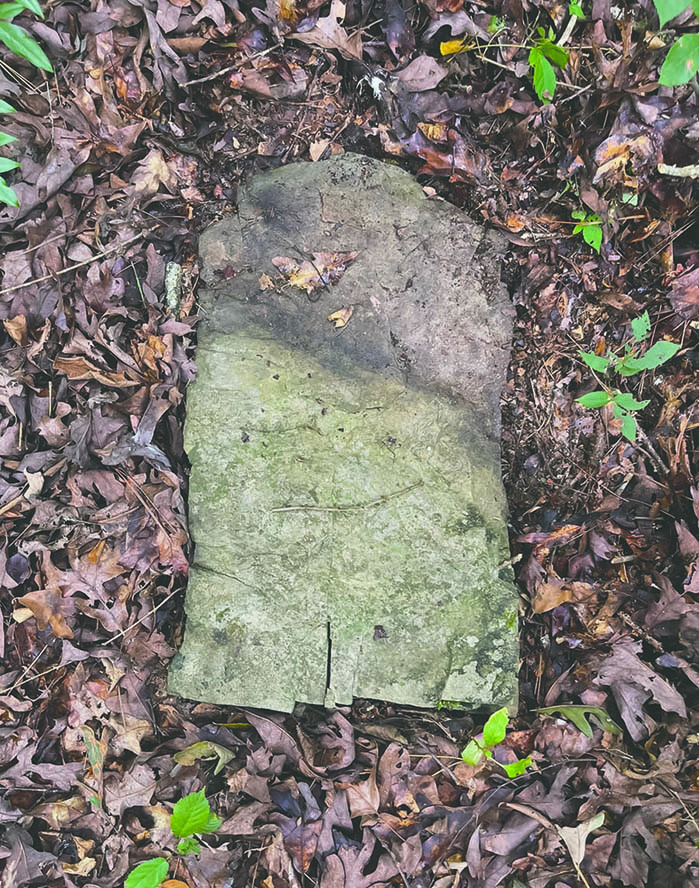
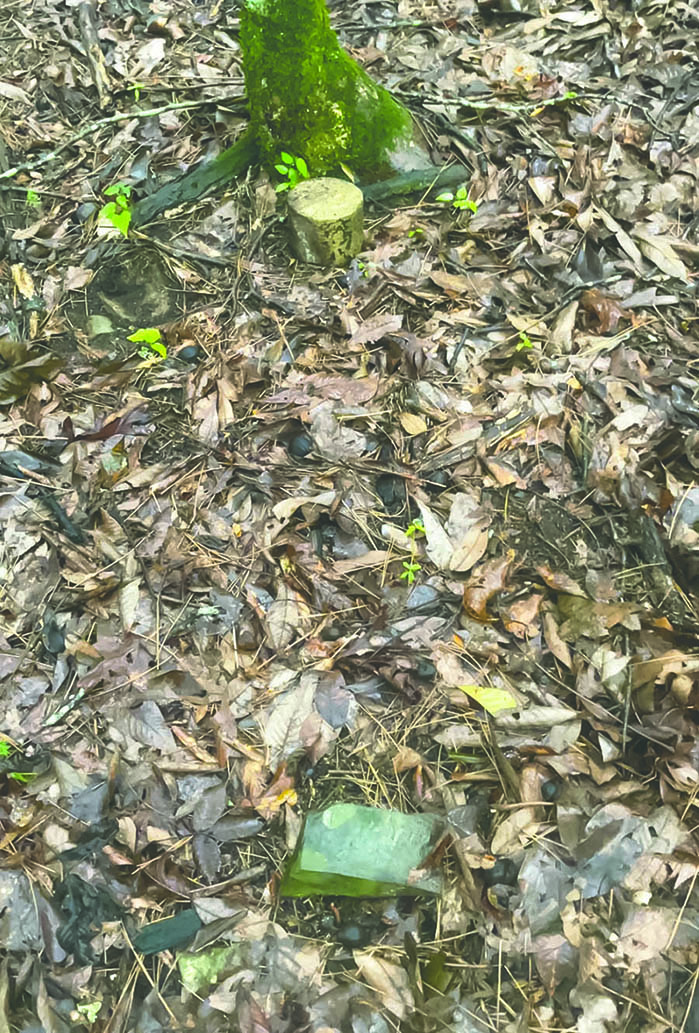
Until now, I had seen Park Hill Cemetery on paper only—newspapers, old maps and plats, aerial photographs, and a coroner’s ledger outlining sixteen recorded burials. Today, all that remain are some chapel rubble, twisted fencing, a few home-made grave markers, and isolated barely-marked burial sites.
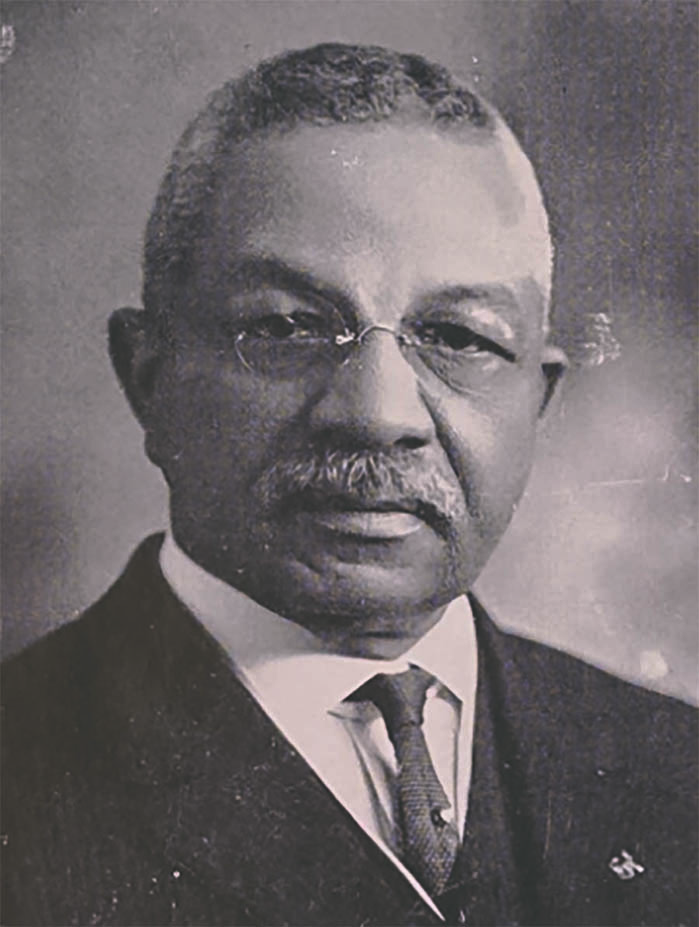
John T. T. Warren, of Warren Undertakers. Photo courtesy of GC Historical Society.
Billed as Arkansas’ only exclusively-Black cemetery of the era, Park Hill began with a dream. In 1914, a group of white businessmen, including Hot Springs investor and police officer W. E. Jones, formed the National Cemetery Improvement Company. Within two weeks of filing articles of incorporation, the company purchased two blocks in the predominantly African American Euclid Heights section of Hot Springs.
Jones set to work on Park Hill’s design right away. Days later, he began advertising the land as a place imagined for beautiful, dignified burials for the African Americans in and around Euclid Heights.
Though interracial cemeteries like Hollywood and Greenwood existed at the time, survivors in rural areas often couldn’t afford to bury their dead at those sites. Many of the poor and working class were interred in City Cemetery, potter’s fields, or family grave lots throughout Garland County. (What is now Friendship Historic Black Cemetery wouldn’t exist for another nine years.)
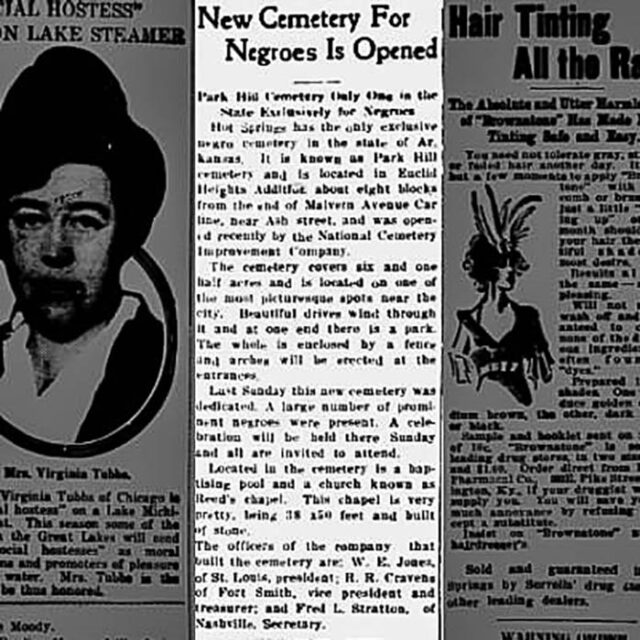
A front-page newspaper article in the Hot Springs New Era, July 1914, describes Park Hill as “picturesque,” with winding drives, a natural creek, a fence, and plans to build arches at the cemetery’s two entrances. The National Cemetery Improvement Company held two opening celebrations—the first attended by notable local citizens and “prominent Negroes,” and the second open to everyone.
The white-owned company, with all its money and plans, could not have given Park Hill its successful three-year run without help from the Black community—particularly two men of color whom citizens knew and trusted—to bring the dream to life. Everyday operation of the cemetery became the purlieu of Reverend John M. Reed and the prominent businessman and funeral home owner John T. T. “Doc” Warren.
With their help, Park Hill became operational in autumn 1914. Burial sites possibly exist at the highest elevation, while down a slope, there appears to be a 50-foot-long stone and quartz foundation wall of the cemetery chapel. Rev. Reed, known for his work at the CME Cottrell Chapel on East Grand Avenue, became the building’s namesake.
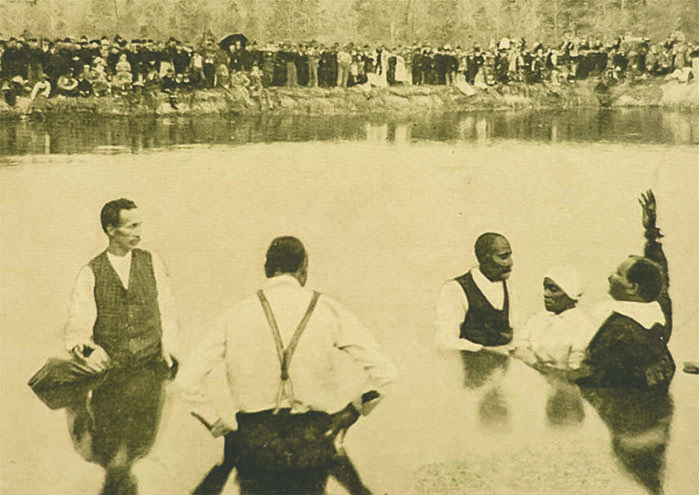
The chapel, constructed near a shaded natural baptismal pool, was one of many areas throughout Garland County where outdoor baptisms took place. It’s almost certain that Reed performed a number of these ceremonies either in this four-foot-deep rock formation or at one of the wider spots in the creek.
While Reed managed the religious elements of the cemetery, Warren tended to the business side. Warren, a close friend of Reed, is listed on every recorded burial for Park Hill as “Undertaker.” (He also sold caskets and provided funeral planning and services.)
All their hard work, even combined with the company’s money and resources, would not save Park Hill from slipping into disrepair, then eventually into oblivion. Though not directly blamed for the downfall of the cemetery, the well-publicized arrest and conviction of company president Jones for theft of services from a local Black man may have soured potential clients against Park Hill.
In the spring of 1917, Jones dissolved the National Cemetery Improvement Company, surrendered its charter, and conveyed the land to Hot Springs for public auction. According to maps and aerial photographs, it appears the land was never developed beyond its brief life as a cemetery.
The next year, when Warren’s son died unexpectedly at age 33, he buried him in Greenwood Cemetery, not Park Hill, which hints that Park Hill was already closed to burials. Warren continued his funeral home business until his death a year later, and at this writing his gravesite is, sadly, unrecorded. With the Improvement Company’s demise and Warren’s death, Park Hill was abandoned.
More than a century later, on a stormy early evening, I took cover from a heavy storm beneath a canopy of hardwood trees. While taking refuge from the rain, I was struck by how this unsuccessful yet beautiful resting place for at least sixteen souls has been almost completely reclaimed by nature. But, even today, the land harbors a serene atmosphere that must have compelled Jones to choose it for his cemetery venture. Had circumstances been different, Park Hill could have outlived those who built it.
There might be descendants today, quite possibly in Hot Springs, who can offer insight into the lives of the dead now resting beneath this dark soil. I have recorded their names for the Garland County Historical Society and have posted them online at findagrave.com. Perhaps someone will recognize a name and fill in a blank on a family tree. Wherever the names go from here, I hope that Park Hill’s forgotten burials never fully disappear.
Thank you to the Garland County Historical Society, the Library of Congress, neighbors in the Euclid Heights subdivision, and the City of Hot Springs for map assistance. Park Hill is now logged on Find A Grave, and the research for this article is available at GCHS.
Lana Pierce, an avid taphophile, is a fire captain for the North Little Rock Fire Department and owner of Retro Fit, 315 Ouachita Avenue.