
It’s best to mind your peas and ques when it comes to planting. Some plants are best kept apart, lest they bicker, pout, or stunt each other’s grand botanical ambitions.
By Sharon Dent
Chemistry is everything in relationships. True for humans and for plants. Often, indifference is the situation. But sometimes it is love at first sight, or there can be violent clashes too. Making decisions about the layout of a garden can be complicated because these chemical impacts need to be considered.
Many plants release compounds called allelochemicals that repel or inhibit the growth of other plants. This is called allelopathy and means to cause suffering. Allelochemicals in leaves can allow them to target (repel or inhibit) by expelling gases through transpiration or through leaf decomposition.
Some plants contain repelling chemicals in their roots. As these toxins are released into the soil, nearby roots or plants absorb them, and their growth is stunted. Even death can be caused. Allelochemicals can hinder seed germination as well. This is thought of as negative, but harnessing it can be positive when used for weed control.
Most of the examples that follow are based in science, but there are also touches of folklore scattered here and there.
- Carrots and parsnips should not be planted next to each other. They get same soil-borne diseases.
- Tomatoes do not like brassicas (cabbage, broccoli, kale, etc.). They become stunted, and production is reduced. Brassicas contain glucosinolates (sulfur-containing phytochemicals).
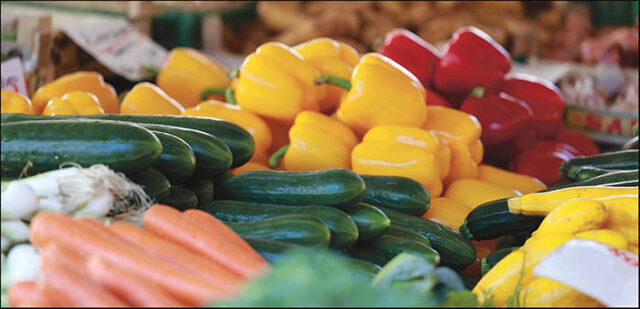
- Potatoes are detrimental to asparagus, brassicas, carrots, cucumbers, eggplant, melons, peppers, squash, tomatoes, and sunflowers.
- Beans do not plant beans close to chives, garlic, onions, and leeks.
- Beets can be stunted by pole beans, but bush beans seem to do fine.
- Asters and goldenrod inhibit sugar maple trees and tulip poplar trees.
- Black walnut trees produce juglone, which inhibit growth of many plants—tomatoes, peppers, eggplant, and potatoes. Whereas melons, beans, and carrots tolerate juglone.
- Eastern red cedar trees should be planted away from apple trees to protect them from cedar-apple rust.
On a positive note, spinach gets along with all plants.
Sharon Dent volunteers with Garland County Master Gardeners of the UofA Div. of Agriculture, Cooperative Ext. Service. Master Gardeners pool skills and resources to improve home horticulture, stimulate interest in plants and gardening, and encourage beautification.