
By Lana Pierce
The Stage
Imagine 1917 Hot Springs in stereoscope. Visitors view it in picturesque, idyllic frames, while locals experience it differently. It’s a place where gravel roads blend into newly-paved avenues, and the clop of horses pulling wagons recedes behind the roar of motorized vehicles, where the prism of foreign languages and lifestyles magnifies the city’s successful campaign to “Bathe the World.”
To citizens, the changing scenery spawned by the Fire of 1913 never seems to end. To outsiders, it’s a whirlwind town where blacksmiths and barbers share sidewalks with barely hidden brothels and bootleg joints. In store windows, Oriental rugs and European dresses invite local aristocracy to stretch definitions of “classy” while markets and bookstores cater to an infant middle class.
Pan out to the world beyond this town, where World War I limps along and Americans fill idle hours with Vaudeville shows and silent films. Comedy in 1917 is physical, leaning on confusion, exaggeration, and self-deprecation to entertain war-weary audiences. In the movie houses and orchestra halls of Hot Springs, lamps dim when curtains part for levity, laughter, and light-hearted mockery. For a short time, the chaotic realities of the world are locked outside.
The Protagonist
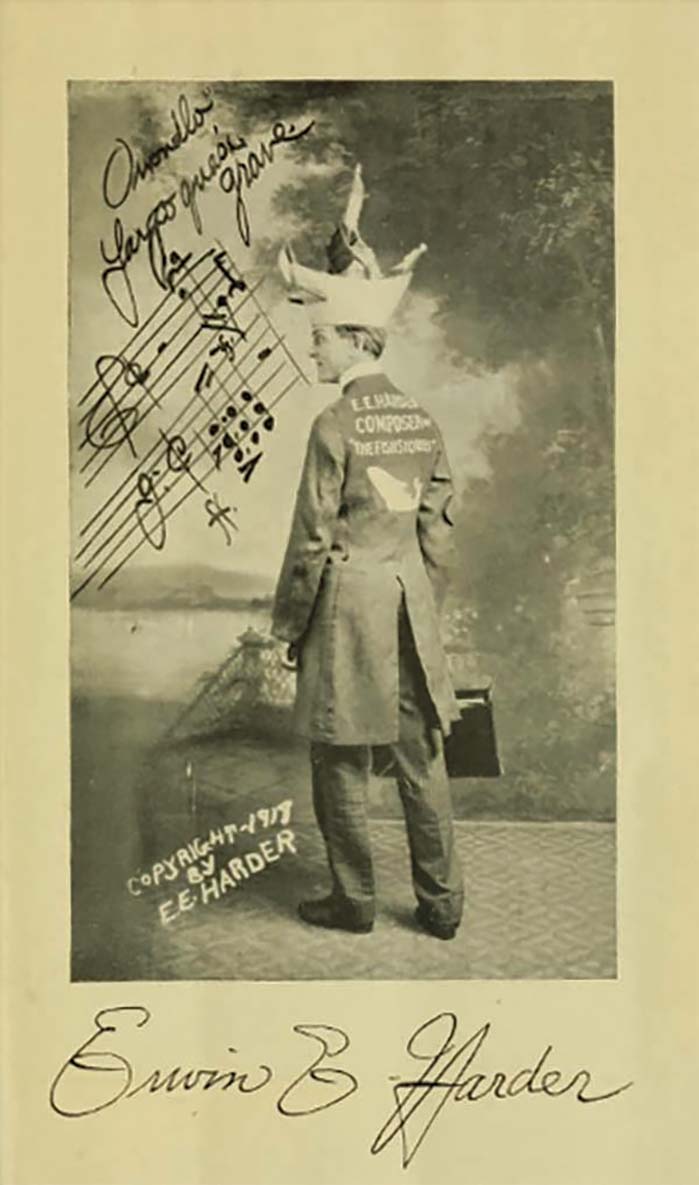
Meanwhile, 700 miles away, Erwin Harder opens a telegram inviting him and his bass clarinet to Hot Springs for a winter engagement. It’s mid-December, and the Chicago weather bites his musician’s hands. Hot Springs, he thinks, could be a respite from the cold. He’s been hired to play with one of the traveling orchestras in hotels like the Moody, Arlington, and Majestic.
Maybe he’ll celebrate New Year’s Eve in the Valley of the Vapors. A brief trip to a place where people relax, recoup, and rejuvenate sounds promising, so he packs his bags and bass clarinet to head South.
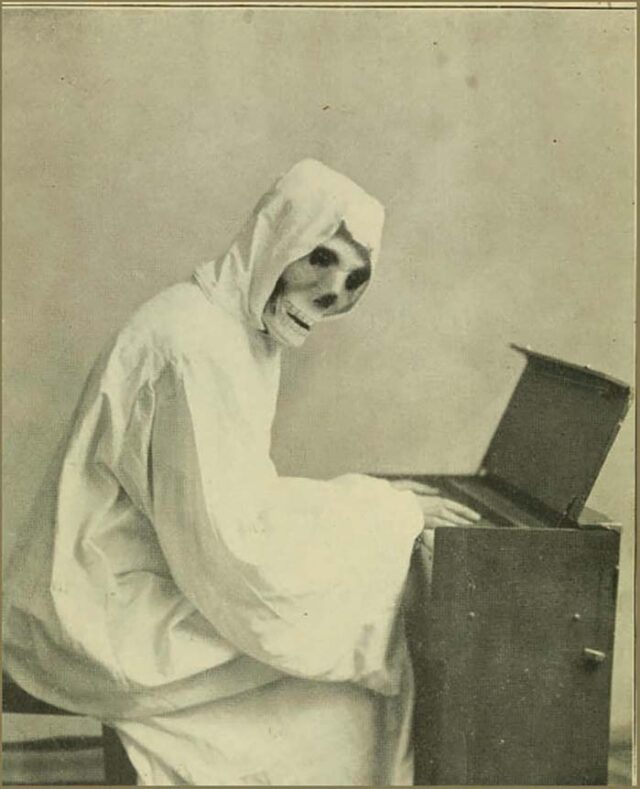
Erwin was no garden-variety musician. He’d published operettas and organ music, joke books and vignettes. Arriving on the Spa City scene, he will discover a new muse—one that will lead to his 1918 Reminiscences of Hot Springs, a 28-page “comedy booklet” disguised as half-letter, half-diary. The short comedic work would outlive Erwin, but a chance discovery in 2025 allows modern readers to peruse Hot Springs past through his eyes.
The Plot: A Fish Story
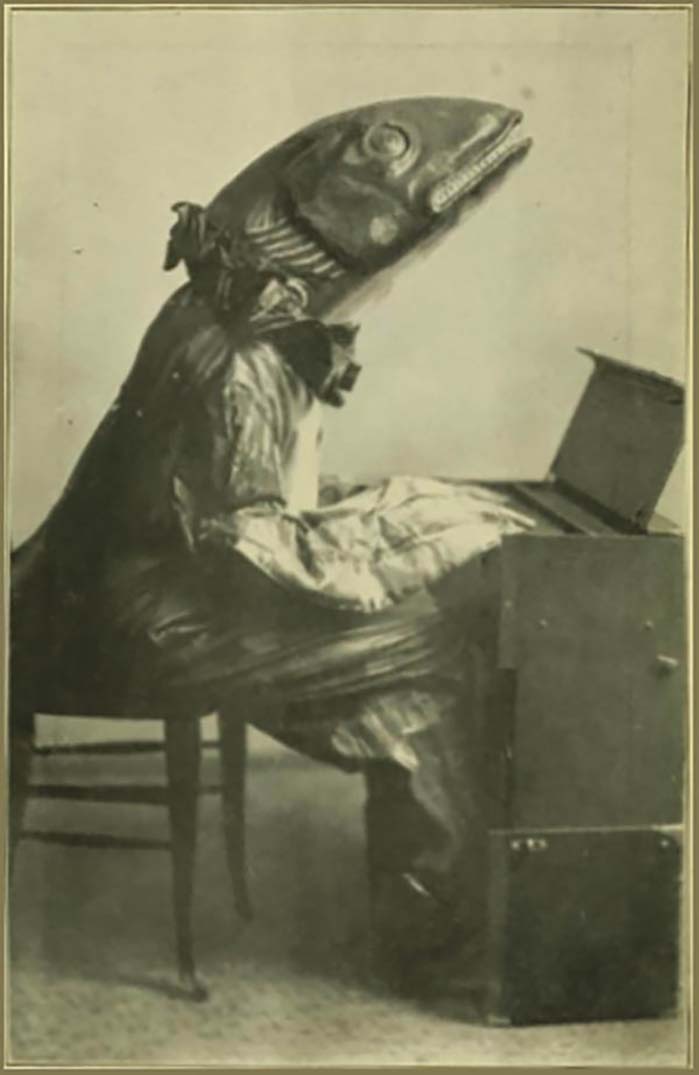
Reminiscences of Hot Springs introduces readers to Erwin-as-narrator as he arrives in Hot Springs for the winter orchestra engagement. His first impression is that our mountains are little more than “timberlands and rising hills.” Encountering a few locals, the musician tries to explain his orchestral role to them, but they’re not interested, since a bass clarinet is neither a fish nor a baseball position. The visitor grows suspicious of these locals after discovering that someone has rifled through his bag and room — a space he calls “filthy.”
Undeterred, Erwin highlights some of Hot Springs’s best quirks, which persist today. We still boast our fishing spots, our baseball heritage, and even our “mountains.” (Some might say Hot Springs is a town where filth and finery are stitched together—an observation hinted at by the narrator.)
The musician switches hotels, which he says might be in “Happy Hollow” or “Sleepy Hollow” (he can’t remember which), but notes the true name should be “Weeping Hollow.” The hotel’s damp walls and furniture are hardly an upgrade from the “filthy” room. This second hotel is overrun with “curious ladies” entertaining a stream of midnight visitors. So, he relocates again, this time choosing a “Christian” boarding house.
The house is one of several in 1910s Hot Springs renting to “moral” patrons only. Inside this austere (but clean!) boarding house hangs a sign reminding patrons, “The Lord is present at every meal, listening in on every conversation.” When asked by the proprietress about his business in Hot Springs, the Chicago musician spins off into a “Big Fish” tale, changing his background to that of a harmless fellow Southerner born and raised in “Beaver Dam.” He hopes this is enough to stop the “spying” by locals and help him avoid their incessant, slowpoke conversations.
Erwin often meets resistance from Hot Springs artists, musicians, and writers who are “self-proclaimed professors” toting so-called masterpieces in cheap scrapbooks. It’s a particularly poignant lambast of both Northern condescension and Southern “know-it-alls” who are big fish in small ponds. In Reminiscences, Erwin manages to make fun of himself, his confusion, his paranoia, and the entire city. And he does it all without insult.
The Epilogue
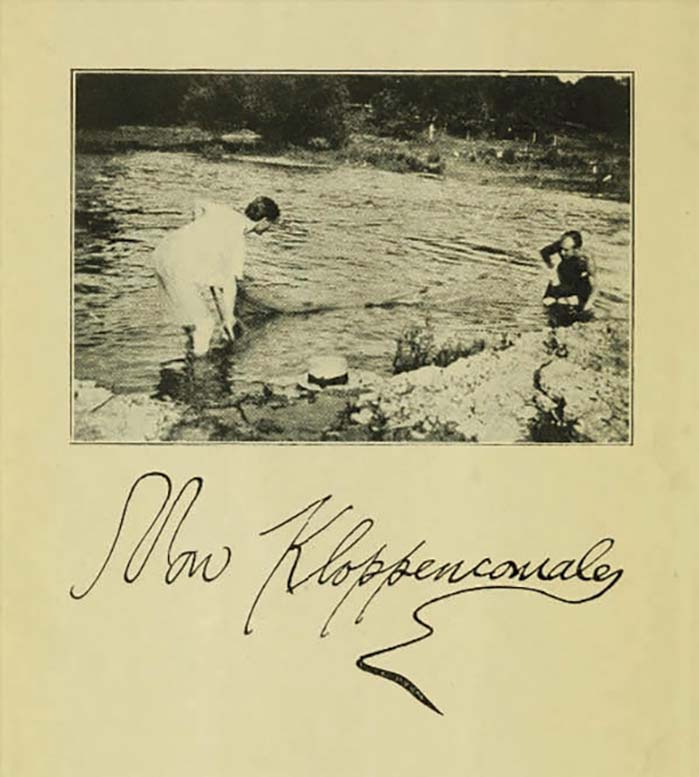
It is serendipitous that I stumbled upon Erwin’s work while searching for a 1918 brochure. (When I say “stumbled,” I mean a full barrel roll, for discovering Reminiscences catapulted me over a waterfall, where I swam through hours of research about his life and work. How can we be sure he visited Hot Springs in late 1917? During that era, when submitting an item for U.S. copyright, the creator was required to include a residential address as a return address. Erwin’s January 1918 copyright submission lists his residence in Hot Springs, Arkansas.
Though I count myself lucky to have found his Hot Springs booklet deep in the Library of Congress website, my subsequent searches through local and state databases yielded few references to the man or his work. Extended searches through genealogy sites and burial records unearthed little more. I emerged hoping Erwin’s written works would remain abandoned in archives, waiting to be discovered by others. Though minor, his legacy survives through a handful of music, jokes, and booklets saved for posterity so long ago.
I’d like to think that if, in 2026, Erwin and I met on some downtown Central Avenue sidewalk, or stopped to visit on a Promenade bench, that he’d perhaps lump me with all the other “scrapbook toting know-it-alls.” Be that as it may, count me as one who knows the power of our town to make a lasting impression, and I’m thankful for his small but unique contribution to Hot Springs and its people.
Lana Pierce, E10 Captain at NLRFD, spends her on-shift downtime sifting through old newspapers, letters, and stories related to Hot Springs.
{To view additional images from Harder’s book, visit www.thesprings.magazine.com.}