
By Alison Crane
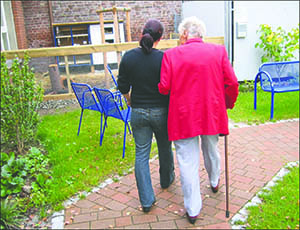
The late Rosalynn Carter once summed up caregiving’s universal nature: “There are only four kinds of people in the world: those who have been caregivers, those who are currently caregivers, those who will be caregivers, and those who will need a caregiver.”
National Family Caregivers Month is celebrated each November to recognize and honor family caregivers across the country.
In the U.S., an estimated 44 million Americans age 18 and older provide unpaid assistance and support to older people and adults with disabilities. Over 11 million are unpaid, and providing care for dementia patients. According to Family Caregiver Alliance, extensive research shows that family members who provide care for individuals with chronic or disabling conditions are at risk for emotional, mental, and physical health problems.
Caregivers often set aside taking care of their own health needs and can become isolated as their care receiver’s health deteriorates and they grow less able to maintain social interaction. Demonstrating appreciation for caregivers reduces burnout and stress and can create a supportive environment for everyone involved.
Feeling valued is a powerful motivator that combats loneliness and exhaustion and can strengthen the caregiver’s sense of purpose.
Showing thankfulness to a caregiver can be as simple as verbally expressing your gratitude, but it can also come in more practical ways, like running errands or providing a day off. To show appreciation, start with these simple suggestions:
- Say “thank you” using verbal and written expressions to specifically share what you are thankful for and have noticed.
- Provide some practical help and support by offering to take over caregiving duties for a set time or day to allow them to have a break or help with errands, such as picking up groceries or even chores like mowing the lawn or raking leaves. (Be specific about what you are offering to do and include a time when you can do something to encourage the caregiver to accept your offer. Caregivers tend not to call people to ask for help even when it has been offered.)
- Offer a listening ear and listen to their feelings and experiences without judgment or trying to solve everything.
- Give a thoughtful gift of anything from something home-baked or a meal to a self-care kit or a gift card to use.
- Plan an outing and take the caregiver on a fun day, or invite them to a favorite restaurant.
- Share a hobby with them by sharing the fruits of your labor, by making something for them, or teaching them how to do or make something.
- Encourage self-care and taking time for their own well-being.
A little bit of appreciation and acknowledgement goes a long way in helping caregivers maintain their personal health and commitment to their care receiver. Take time this month to do something for a caregiver in your life.
For more information on caregiving and other topics related to family life, contact the Garland County Extension Service at 501-623-6841 or email acrane@uada.edu. You are not alone.
Alison Crane is a Family and Consumer Sciences Agent with the Garland County Extension Service. Pursuant to 7 CFR § 15.3, the University of Arkansas System Division of Agriculture offers all its Extension and Research programs and services (including employment) without regard to race, color, sex, national origin, religion, age, disability, marital or veteran status, genetic information, sexual preference, pregnancy or any other legally protected status, and is an equal opportunity institution.–