
August is the peak month for ragweed pollen exposure, triggering sneezing, nasal congestion, and asthma in allergic individuals.
By Dr. Ruchit Rana
Ragweed pollen is the major allergen for August in much of the United States and remains high through late September. Ragweed’s scientific name, Ambrosia, comes from the Greek word for “food or drink of immortality”, coined because of its resilience and abundance, whilst being able to sustain wildlife around it. Unfortunately, that resilience is also why it is difficult to avoid as an allergen!
Even low levels of ragweed pollen may trigger sneezing, nasal congestion, and asthma in allergic individuals. Here are some ways to prepare for ragweed season:
- Allergy shots and FDA-approved under-the-tongue tablets (RAGWITEK) help desensitize you to ragweed pollen.
- Nasal sprays, such as fluticasone and azelastine, can together reduce sneezing, nasal congestion, and runny nose.
- If you have asthma, use your inhalers or tablets as prescribed by your doctor to minimize exacerbations.
My summer watermelon is making me itch now, why?
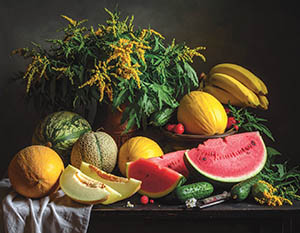
During August, when ragweed pollen exposure peaks, ragweed-allergic individuals may also have mouth itching when eating melons (cantaloupe, honeydew, watermelon), zucchini, cucumber, and bananas because our bodies misinterpret these fruits and vegetables as ragweed pollen. This condition is called “pollen food allergy syndrome.” Symptoms are usually triggered by raw, not cooked, forms of the food, since cooking breaks down the responsible allergens.
If you or a family member suffers from rhinitis, asthma, or oral-allergy symptoms in the fall on a regular basis, reach out to your local allergist for further tips.
Dr. Ruchit Rana is a board-certified allergist and immunologist at Jackson Allergy and Asthma Clinic, specializing in asthma, allergic rhinitis, eczema, and food allergy in both pediatric and adult patients. His clinic is located at 151 Harmony Park Circle in Hot Springs. To schedule an appointment, call 501-623-1311.