

With good prevention and treatment, another bug bites the dust!
By Dr. Ruchit Rana
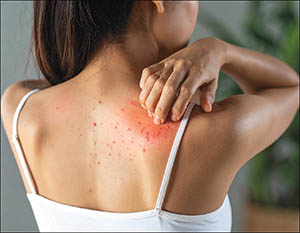
Summer brings more time outdoors—and with it, the usual parade of bug bites. Most bites from mosquitoes, ticks, and other insects only cause some itching and redness, but for people who are more sensitive, the reactions can be much more uncomfortable. The itch and swelling happen because the immune system reacts to proteins in the insect’s saliva or body parts.
Preventing bug bites is the first step.
- DEET and picaridin are very effective synthetic insect repellants.
- Permethrin spray has high activity against ticks, and a single application can stay on clothing for two weeks.
- Lemon eucalyptus oil has a natural ingredient (called PMD) that may help, though it is not as effective as the other repellents.
Though bug bite reactions are not necessarily an “allergic” reaction, they involve the same symptoms and can be treated as such.
- For fast itch relief, use newer antihistamines (such as cetirizine and loratadine). Avoid older options, such as diphenhydramine (Benadryl), due to their sedative properties and risk of seizures in young children.
- Steroid ointments (such as Cortizone-10 1% ointment) can be used for more intense local reactions, but these typically require multiple days of use before improvement.
- Benadryl cream should be used with caution since ingredients in the product can cause an irritant or allergic contact dermatitis.
Since some bugs can transmit diseases, any symptoms that occur outside of the local bug bite site should be evaluated by a healthcare provider. With these simple steps, you can keep summer bug bites from bugging you!
Dr. Ruchit Rana is a board-certified allergist and immunologist at Jackson Allergy and Asthma Clinic, specializing in asthma, allergic rhinitis, eczema, and food allergy in both pediatric and adult patients.
His clinic is located at 151 Harmony Park Circle in Hot Springs. To schedule an appointment, call 501-623-1311.