

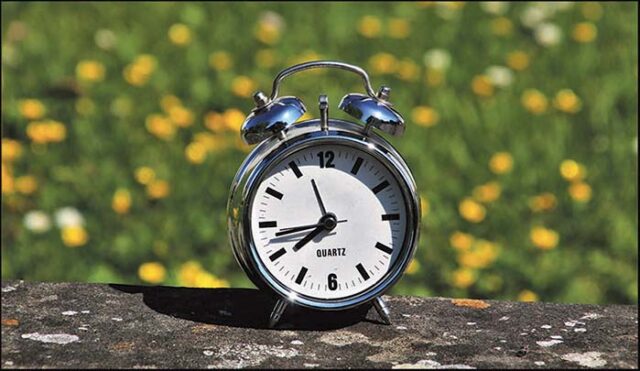
Daylight Savings Time: a shift in time, a big shift in routine.
By Dr. Annie Xu
On March 8, 2026, Americans will once again “spring forward” as Daylight Saving Time begins, moving clocks ahead one hour from 2:00 a.m. to 3:00 a.m. Unfortunately, this annual shift brings more than just a lost hour of sleep. For many, it also marks a measurable rise in serious health events.
In the medical community, it is well documented that the Monday following the time change sees up to a 24% increase in heart attacks. International studies have also shown an 8% rise in ischemic strokes during the first two days after the switch.
Although the exact cause is not fully understood, physicians and scientists believe the disruption of the body’s circadian rhythm plays a major role. Much of human physiology is regulated by natural day–night cycles, and the abrupt transition does not allow the body adequate time to adjust.
To help reduce the strain on your body during the time change, consider the following strategies:
- Increase your daily exposure to sunlight to help your internal clock adjust to an earlier morning.
- Gradually shift your bedtime earlier in the days leading up to the change.
- Limit caffeine intake during the first few days after the switch to reduce stress on the heart and blood vessels.
- Prioritize adequate sleep. Most adults need 7–9 hours each night, while teenagers and children require even more for healthy development.
Small, proactive adjustments can make a meaningful difference in preventing chronic health issues, and this is especially true during Daylight Saving Time transitions. For personalized guidance, speak with your primary care physician.
Dr. Annie Xu is a local primary care physician at Hot Springs Internal Medicine Clinic, specializing in chronic care management, women’s health, and general practice medicine. Her clinic is located at 301 Exchange St, Hot Springs. To schedule an appointment, call 501-621-4222.
{Archived articles by Dr. Xu can be found at thespringsmagazine.com/category/health-wellness/Dr. Annie Xu.}